Navigating the Future: How Web Technology is Revolutionizing Road Networks and Transportation
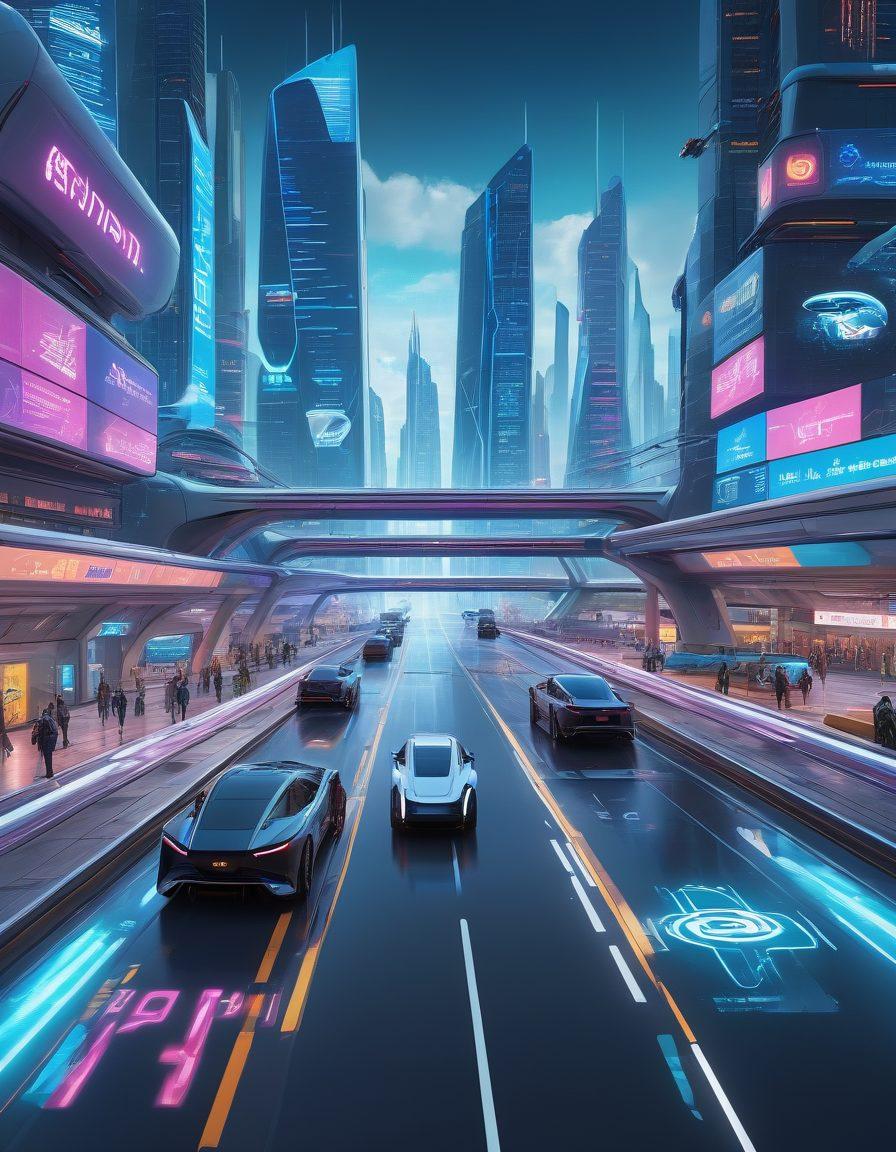
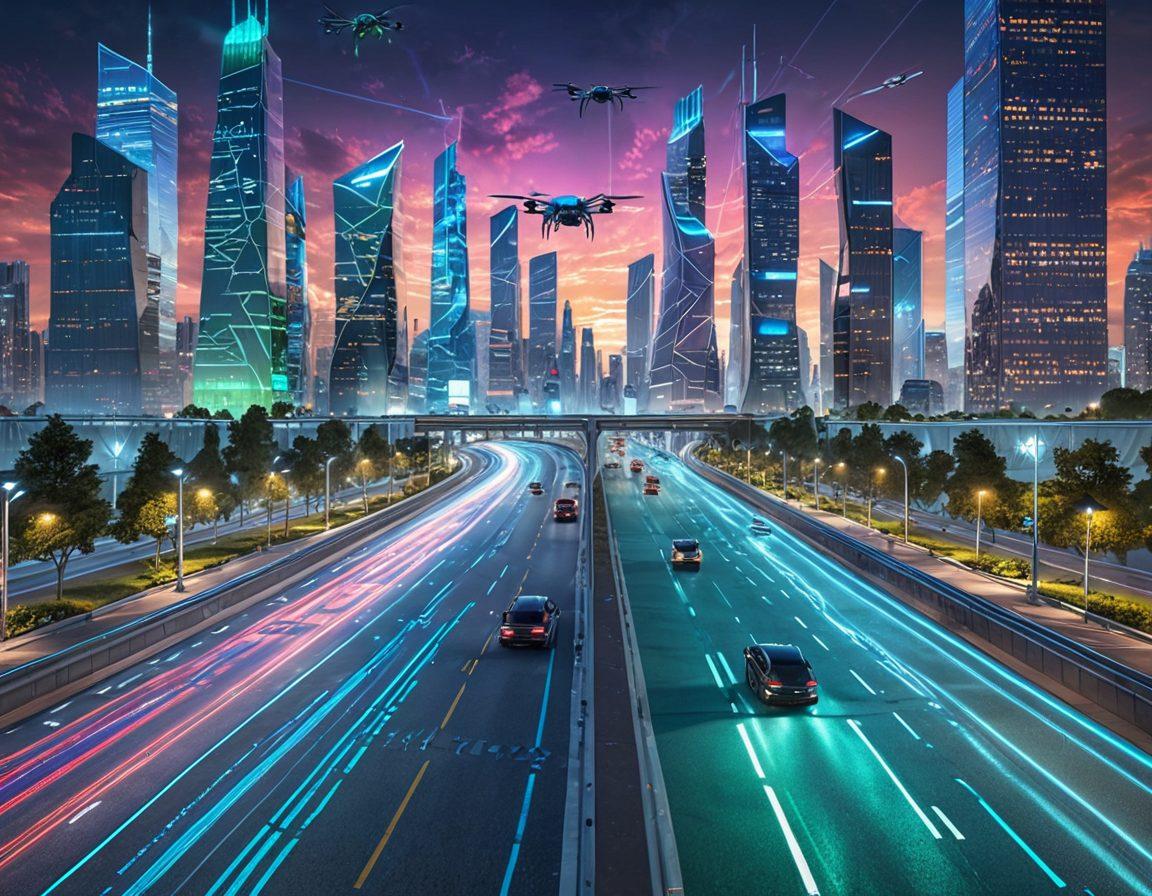
Imagine a world where road networks are as interconnected and dynamic as the web itself—this isn't science fiction but a rapidly approaching reality. Smart roads leverage cutting-edge web technology to ensure safer and smoother journeys for everyone. These 'web roads' can communicate in real-time, providing instant traffic updates and route planning. They offer a revolutionary approach to transportation, promising to minimize accidents and maximize efficiency. It's a transformation where the web and roads merge, creating an intelligent infrastructure that benefits drivers in countless ways.
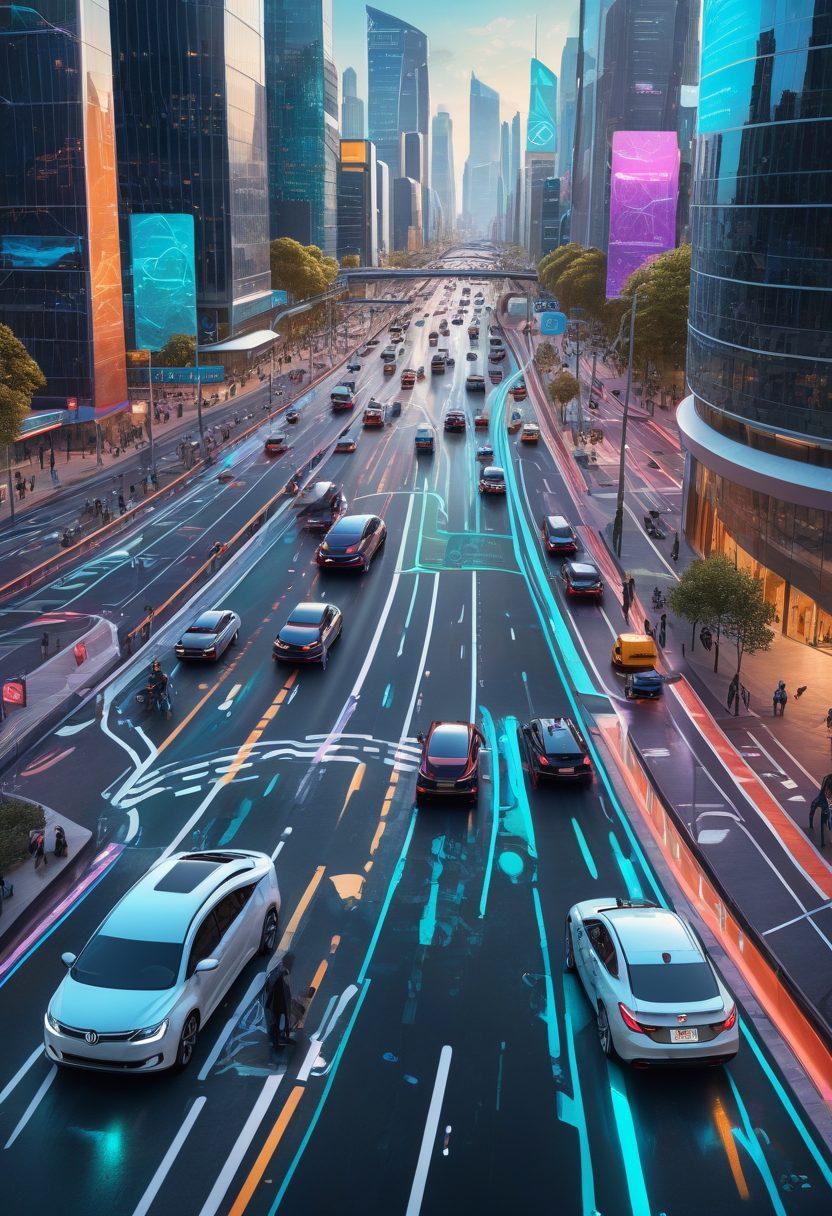
In today's fast-paced world, the road network must evolve to keep up with increasing traffic demands. Thanks to advancements in web infrastructure, we now have the tools to create 'smart roads.' These roads are equipped with sensors and connected devices that gather vital information about road conditions, traffic patterns, and more. This data is then analyzed and disseminated online, helping drivers make informed decisions and reducing congestion. Imagine never getting stuck in a traffic jam because your car receives real-time updates from the 'online roads' system! It's the ultimate commute planning tool that turns any drive into a smooth sailing experience.
But how exactly are these smart roads revolutionizing transportation? At the heart of it lies sophisticated road analytics and digital road maps that are constantly updated through the internet. This means that drivers not only receive accurate highway information and timely traffic updates but also benefit from predictive road maintenance schedules. Just like the way we rely on online information to guide our daily activities, 'web-based road services' ensure that our journeys are seamless and safe. With geospatial roads mapping and virtual transportation systems, planning a route has never been easier or more efficient.
The concept of smart roads goes beyond just improving traffic systems. It fundamentally enhances road safety. With real-time road condition updates and integrated sensors, roadways can promptly alert drivers to potential hazards or changes in the environment. For instance, a sudden downpour or an accident up ahead can be instantly communicated to all vehicles in the vicinity, allowing them to adapt their driving accordingly. These 'internet roads' are essentially the new guardians of road safety, employing advanced web technologies to protect lives and property.
As we look to the future of transportation, one thing is clear: smart roads represent a significant leap forward in road planning and transport infrastructure. From detailed road mapping to streamlined commute planning, these innovations are set to transform how we think about and interact with our road systems. The integration of web technology into road networks is not just about convenience; it's about creating a safer, more efficient, and sustainable transportation environment for all. So the next time you hit the road, remember that the web and those very roads are working tirelessly together to make your journey as smooth and safe as possible.
The Digital Highway: How Online Tools are Transforming Road Maintenance and Traffic Updates
Welcome to the digital revolution of road maintenance and traffic updates! Imagine a world where road maintenance is no longer a guessing game and traffic updates are always accurate and real-time. Thanks to the power of web technology, this is no longer just a dream. The web is transforming every aspect of our roadways, making them smarter, safer, and more efficient. From road condition updates to virtual transportation, the future of our transportation networks is being written online. But how exactly is this digital transformation unfolding? Let's dive into the details.
Gone are the days when road maintenance was purely reactive, relying on inefficient methods and manual labor. Today, web infrastructure allows for smart roads equipped with sensors and online tools that constantly monitor the condition of the road network. These technologies collect data in real-time, providing road information that helps in predictive maintenance. This proactive approach not only saves costs but also significantly enhances road safety. What if we told you that potholes could be fixed before they even become a problem? That’s the magic of web-based road services!
When it comes to traffic updates, the role of web technology is nothing short of revolutionary. Thanks to digital road maps, commuters can now receive live traffic updates, helping them make informed decisions. Whether you are planning your daily commute or a long road trip, online traffic information can guide you through the fastest and safest routes. With smart algorithms and geospatial roads data, these tools are designed to keep the traffic systems flowing smoothly, reducing congestion and, inevitably, cutting down on commute times. Have you ever used a route planning app and wondered how it always finds the best route? It’s all thanks to advanced road analytics!
The concept of virtual transportation is another exciting development in the realm of web roads. Imagine a system where you can virtually simulate your journey, taking into account live traffic conditions, weather reports, and even road maintenance schedules. This level of digital interaction with our road networks not only enhances our planning but also prepares us for any unexpected hurdles. It's like having a personal transportation advisor at your fingertips, making commute planning a breeze. Remember that time you avoided a huge traffic jam because your app alerted you in advance? That’s virtual transportation at work.
As we look to the future, the integration of web technology in road systems will only continue to grow. With the advent of smart cities and enhanced transport infrastructure, the possibilities are limitless. Technologies like online road condition updates and web-based road services are just the beginning. The goal is to create a seamless, efficient, and safe road network that adapts proactively to the needs of its users. So, the next time you’re on the move and everything goes smoothly, don’t forget to thank the invisible web network that’s working tirelessly to make your journey hassle-free. In this digital age, our roads are as smart as we are – if not smarter!
Navigating the Network: The Role of Web-Based Services in Modern Route and Commute Planning
Imagine being able to know every intricate detail of your daily commute before stepping out of your front door. Thanks to advancements in web technology, this is not just a possibility, but a rapidly advancing reality. Whether we are talking about identifying the fastest route, understanding current traffic conditions, or even gauging the safety of neighborhood streets, web-based road services have revolutionized how we navigate our lives on the road network. Buckle up as we take a journey through the innovative web infrastructure that's transforming modern route and commute planning.
Gone are the days when drivers relied solely on paper maps and their own instincts to navigate through unfamiliar territories. With the advent of digital road maps and web roads, travelers can access real-time road information and traffic updates with just a few taps on their smartphones. The internet roads have enabled us to foresee complications and avoid congested routes, making our commutes more efficient and less stressful. The question that arises now is: How do these game-changing technologies work behind the scenes?
At the heart of these advancements are smart roads and web-based road services that meticulously collect and analyze vast amounts of data. From sophisticated traffic systems to detailed road mapping solutions, sensors and satellite geo-spatial technologies provide continuous road condition updates. These tools not only help drivers in immediate route planning but also assist governments in efficient road maintenance and road safety measures. For instance, online roads and highway information services are crucial for identifying hotspots prone to accidents, allowing for targeted improvements in transport infrastructure.
Virtual transportation solutions are another fascinating aspect of this transformation. Imagine a scenario where you're planning a long trip across the country: web services can offer dynamic route changes based on road analytics, suggest pit stops based on personal preferences, and even estimate fuel costs. These web infrastructure solutions are personalized to the extent that they can adapt to evolving traffic scenarios, making commute planning as seamless and customized as ever.
But the story doesn't stop there. Web-based route and commute planning open new horizons for future innovations in the transport networks. Picture a world where cars can communicate with each other and the surrounding web infrastructure to make split-second decisions, ensuring not just optimal routes but also unparalleled safety on the roadways. The seamless integration of transport infrastructure into our digital lives promises to redefine how we experience travel, making it more intuitive, efficient, and enjoyable. So next time you step into your car, remember that the web connectivity underpins every mile you travel, driving us closer to a smarter and safer journey on the connected roads of tomorrow.